Read Write Inc (RWI)
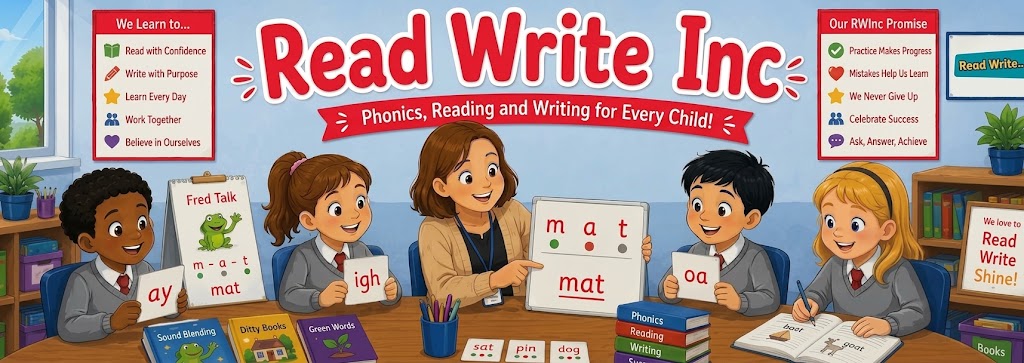
At St Paul's Catholic Primary School we use the Read Write Inc (RWI) programme to get children off to a flying start with their literacy. RWI is a method of learning centred around letter sounds and phonics and we use it to aid children with their reading and writing.
Reading opens the door to learning. A child who reads a lot will become a good reader. A good reader will be able to read more challenging material. A child who reads challenging materials is a child who will learn. The more a child learns, the more he or she will want to find out.
Using RWI, the children learn to read effortlessly so that they can put all their energy into comprehending what they read.
Children who read regularly or are read to regularly have the opportunity to open the doors to so many different worlds! More importantly, reading will give your child the tools to become independent life-long learners.
We can achieve this together through:
- Read Write Inc, a programme to help to your child read at school.
- Encouraging children to develop a love of books by reading to them daily, at home and at school.
- Giving children access to a wide range of books at school and at home.
Read Write Inc (RWI) is a phonics complete literacy programme which helps all children learn to read fluently and at speed so they can focus on developing their skills in comprehension, vocabulary and spelling. The programme is designed for children aged 4-7. However, at St. Paul’s we will continue teaching RWI to children beyond the age of 7 if they still need support in their reading.
 RWI Reading
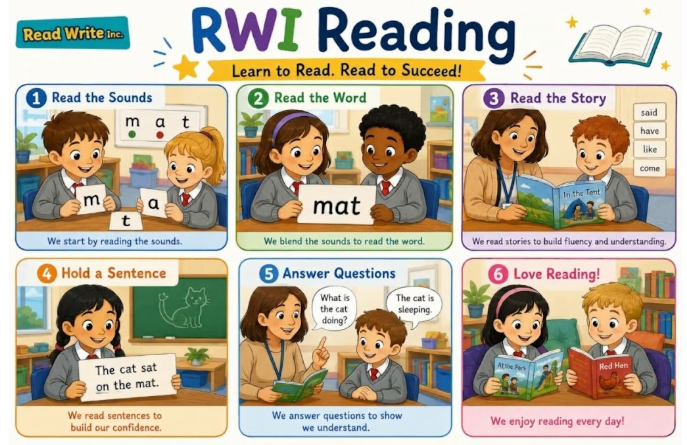
The children will:
-
learn 44 sounds and the corresponding letters/letter groups using simple picture prompts
-
learn to read words using sound blending
-
read lively stories featuring words they have learnt to sound out
-
after meaningful discussion led by an adult, children show that they comprehend the stories by answering questions
 RWI Home Reading Books
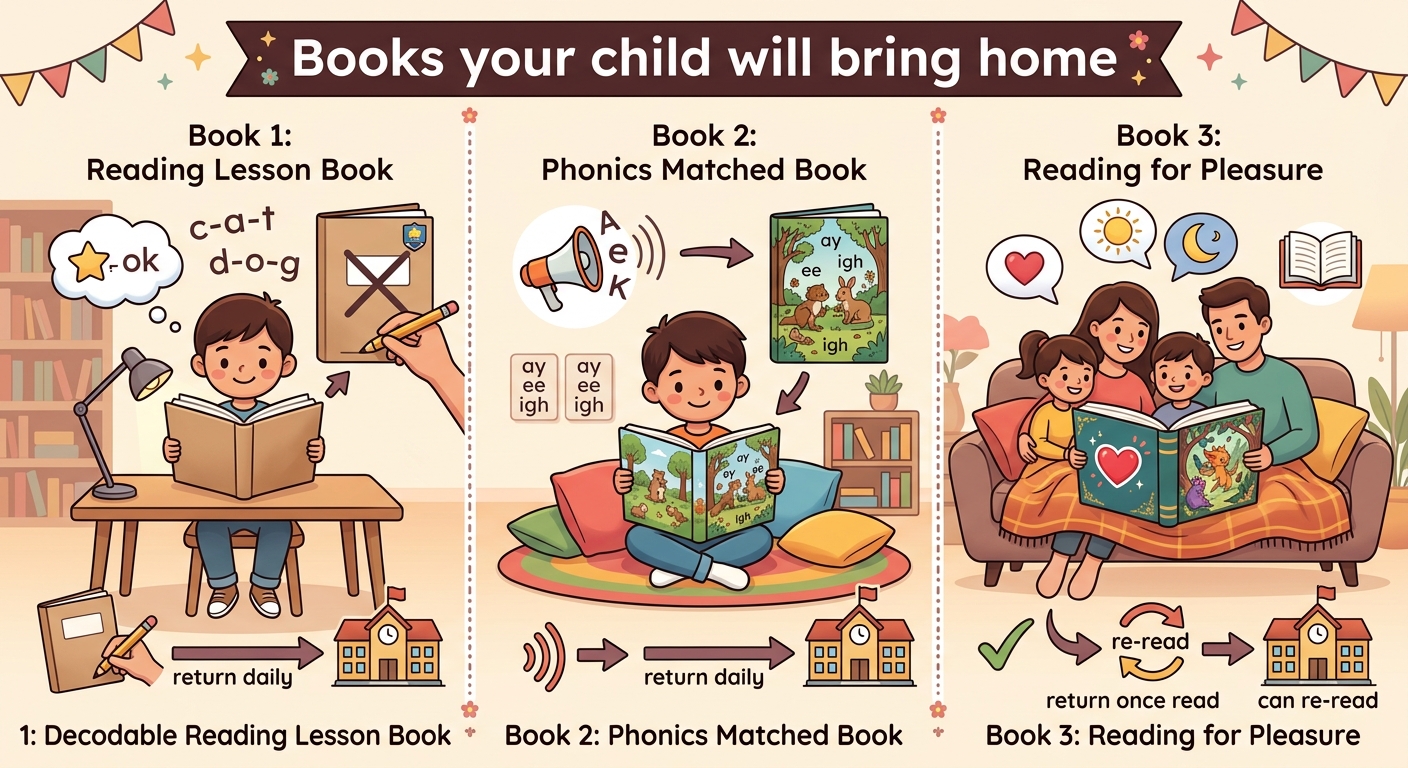
Your child will bring three reading books home
| Book Type | Information |
 |
Book 1 is a paper copy of the decodable book they have been reading in their reading lessons. Your child should be able to read this to you independently, using their reading skills learnt at school. Please DO NOT let them write their name on the front of the book, it is a school copy. Return this book to school daily |
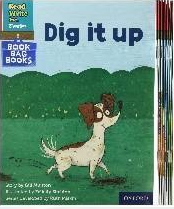 |
Book 2 is a story or non-fiction book matched closely to the sounds they have been learning in phonics. This will be the first time they have read this book although they should be able to decode independently. Return this book to school daily. |
 |
Book 3 (signalled by a red love heart sticker on the inside first page) is a reading book for pleasure. This book may be tricky to read, but we hope you enjoy and read together as a family. Return to school once you have read the whole book at home – you may even want to re-read this book so that your child can comprehend what has happened. |
Supporting Phonics at Home
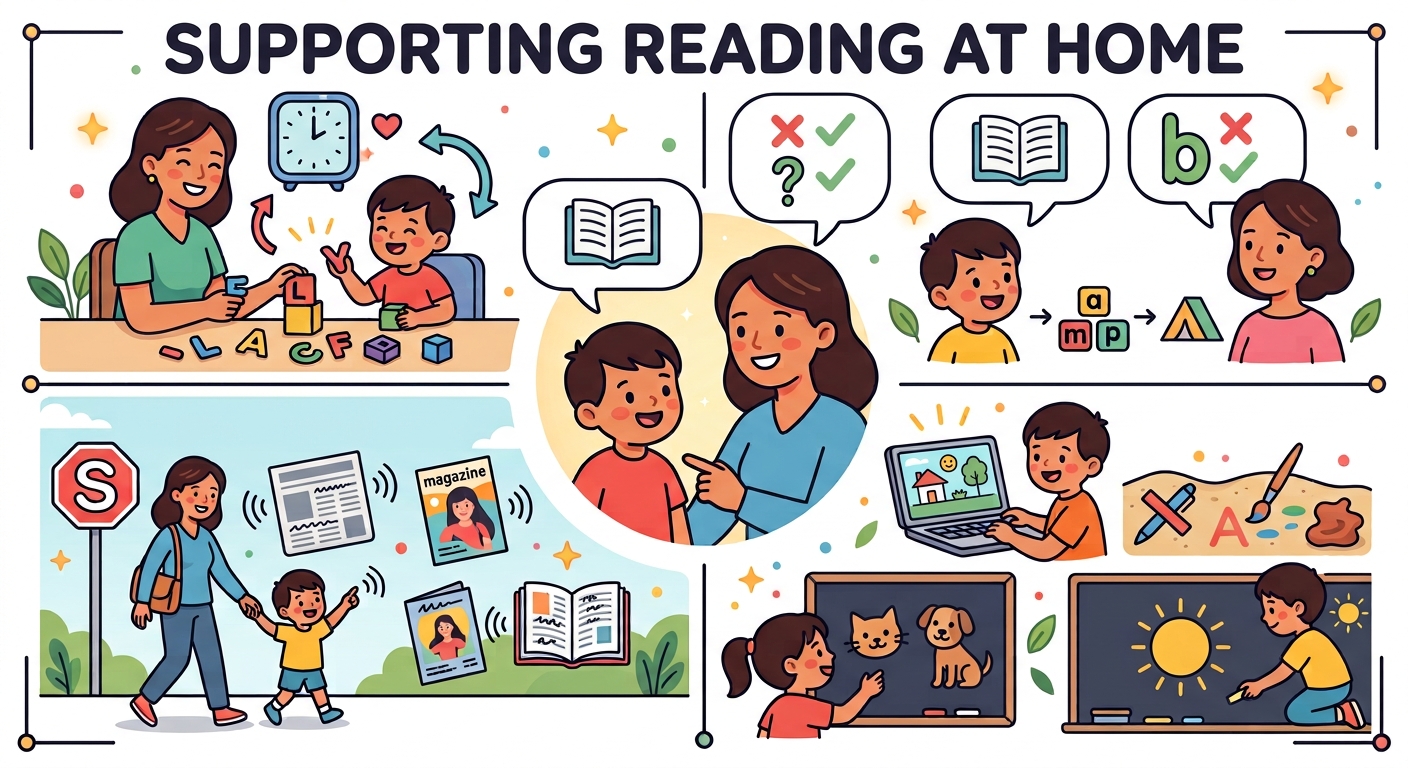
- Try to spend at least 5 minutes a day doing ‘sounds’ activities.
- When blending words with your child, use only letter sounds, not letter names (alphabet) as this can be confusing for children learning to sound out words.#
- Little and often is most effective.
- Point out letter sounds and words frequently; books, magazines, newspapers and signs etc, all provide the opportunity for sounds
- Recognition and put reading into context for your child.
- Allow your child to sound out and write words on the computer, using magnetic letter boards, chalk boards etc. Anything that interests them!

Writing
The children will
-
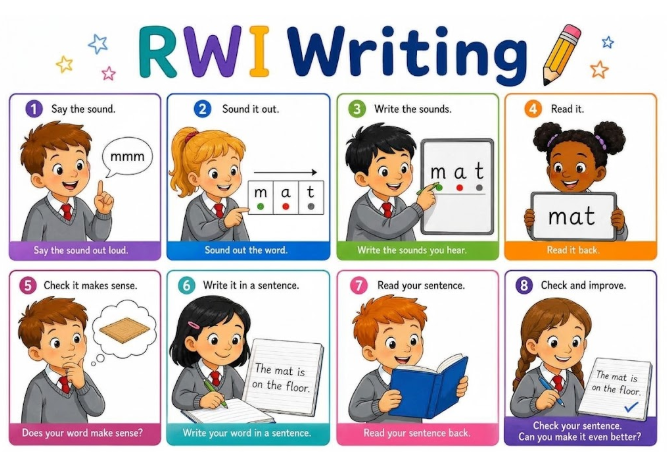
learn to write the letters/letter groups which represent the 44 sounds
- learn to write words by saying the sounds and graphemes (Fred fingers)
- learn to write dictated sentences (hold a sentence)
Talking
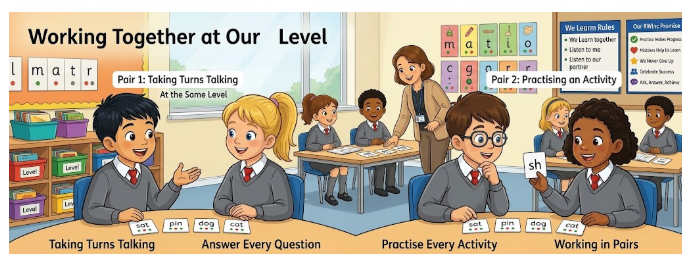
Children are assessed so they work with children at the same level. This allows them to take a full part in all lessons.
They work in pairs so that they:
- answer every question
- practise every activity with their partner
- take turns in talking to each other
Blending
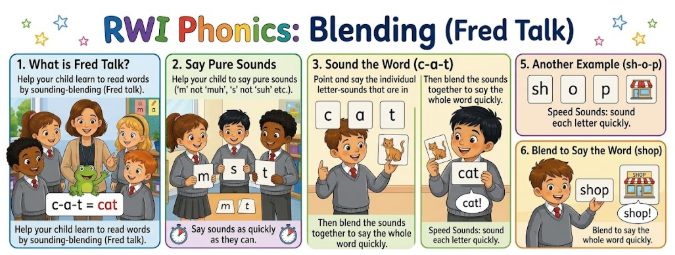
Help your child learn to read words by sounding-blending (Fred talk) eg. c-a-t = cat, sh-o-p = shop. Children learn to read words by blending the letter-sounds that are in the Speed Sounds set. Help your child to say the pure sounds ('m' not 'muh', 's' not 'suh' etc.) as quickly as they can, and then blend the sounds together to say the whole word.
Fred Talk
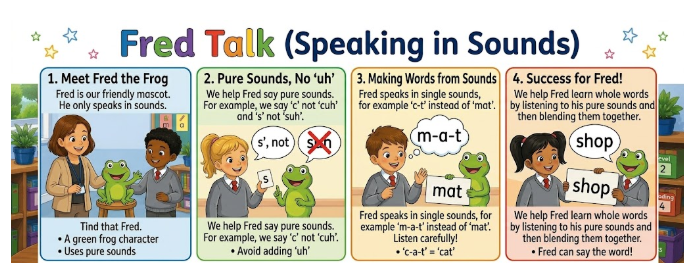
Fred is our Read, Write Inc mascot/friend. He can only speak in sounds though, so we have to help him to learn to say words instead of sounds. For example Fred says 'c-a-t' instead of 'cat'. We also teach him to not add 'uh' to our sounds in order to keep them pure. For example we say 'c' not 'cuh'.
 Set 1
Set 1
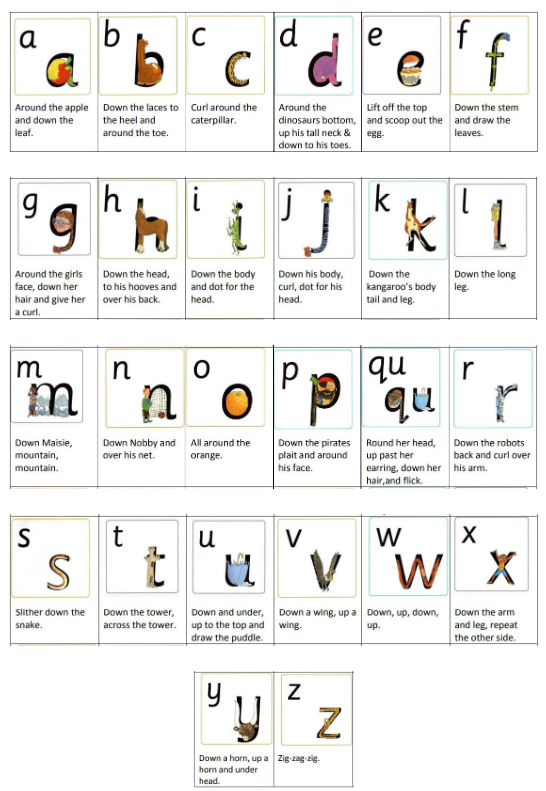
Children will begin to learn to read Set 1 Speed Sounds. These are sounds written with one letter:
m a s d t i n p g o c k u b f e l h r j v y w z x
Children will read Set 1 Special Friends. These are sounds written with two letters:
sh th ch qu ng nk ck
They then blend these sounds to read simple words, for example m-a-t becomes mat, and progress to reading blending books and Red, Green and Purple storybooks at home and in school.
You can find Set 1 Speed Sounds resources here:



Set 2
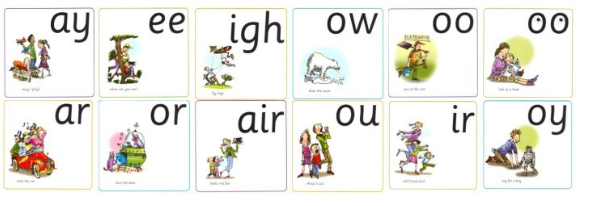
Children will begin to learn to read Set 2 Speed Sounds:
ay ee igh ow oo ar or air ir ou oy
They practise reading words containing these sounds and continue to build their blending skills. Pupils read blending books featuring these sounds, and will bring home Pink, Orange and Yellow storybooks to practise reading at home.
You can find Set 2 Speed Sounds resources here:


 Set 3
Set 3
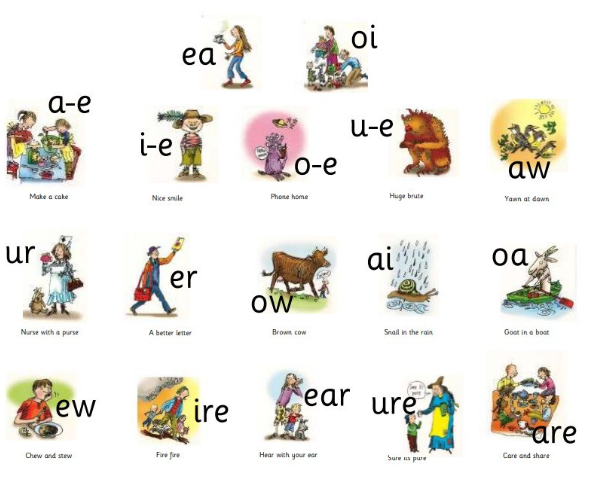
Children will begin to learn to read Set 3 Speed Sounds:
ea oi a-e i-e o-e u-e aw are ur er ow ai oa ew ire ear ure
They practise reading words containing these sounds and continue to develop their blending skills. Pupils read blending books featuring these sounds and will bring home Blue and Grey storybooks to reinforce their learning at home.
You can find Set 3 Speed Sounds resources here:



Red Words
These are words that children will need to learn on sight because they contain parts that are not decodable. For example, the word 'the' could be decoded as 'the', but children must learn the correct pronunciation and spelling. They might only be red words until a specific sound is learnt or because people pronounce them differently in different parts of the country.




Nonsense words
Research has shown that incorporating nonsense words into teaching reading can be an effective way to establish blending and segmenting skills. However, it is important to ensure that children understand that they are reading nonsense words (and why) so that they are not confused by trying to read the words for meaning. By reading nonsense words, children develop their ability to decode individual sounds and then blend them together to read. They are an indicator of early reading skills and work as a quick, reliable and valid way of assessing children. However, reading nonsense words is only a small part of the Read, Write Inc. phonics teaching.
Below you can find some examples of nonsense words for each stage of Read, Write Inc. Of course, any number of nonsense words exist and the following lists are only to give an idea of the kinds of words that might be used.



Useful Resources For Families